How Does the Keto Diet Help You Lose Weight? Science Explained
🧬 How Does the Keto Diet Help You Lose Weight? Science Explained
Introduction
If you’ve ever wondered how the Keto Diet actually works — beyond just “cutting carbs” — you’re not alone.
The keto diet isn’t magic; it’s pure science. By changing the way your body uses energy, it helps you burn fat efficiently while keeping hunger and cravings under control.
Let’s break down exactly how the Keto Diet helps you lose weight, backed by simple, real science. ⚗️
🥦 What Is the Keto Diet?
The Ketogenic (Keto) Diet is a low-carb, high-fat, and moderate-protein eating plan.
Typical macro ratio:
-
🥑 70–75% fats
-
🍗 20–25% protein
-
🌾 5–10% carbohydrates
When you cut carbs, your body enters a metabolic state called ketosis, where it starts burning fat for fuel instead of glucose.
🔥 1. Ketosis: Switching the Body’s Fuel Source
Under normal conditions, your body relies on glucose (from carbs) for energy.
But when carb intake drops, glucose levels fall — and your body begins to convert stored fat into ketones, which become the new fuel source.
Result:
-
Your body burns fat instead of sugar.
-
Ketones provide stable, long-lasting energy.
-
Fat storage starts decreasing.
That’s why people on keto often notice rapid fat loss in the first few weeks.
⚡ 2. Stable Blood Sugar = Less Hunger and Cravings
When you eat carbs, your blood sugar spikes — then crashes — leading to cravings and fatigue.
Keto keeps blood sugar levels steady, so your energy remains stable throughout the day.
Science behind it:
-
Lower carbs → lower insulin spikes
-
Steady insulin → less fat storage
-
Controlled appetite → easier calorie management
You naturally end up eating less — without feeling deprived.
🧈 3. Fat Keeps You Fuller for Longer
Fat takes longer to digest than carbs, meaning you stay satisfied for hours after eating.
Examples:
-
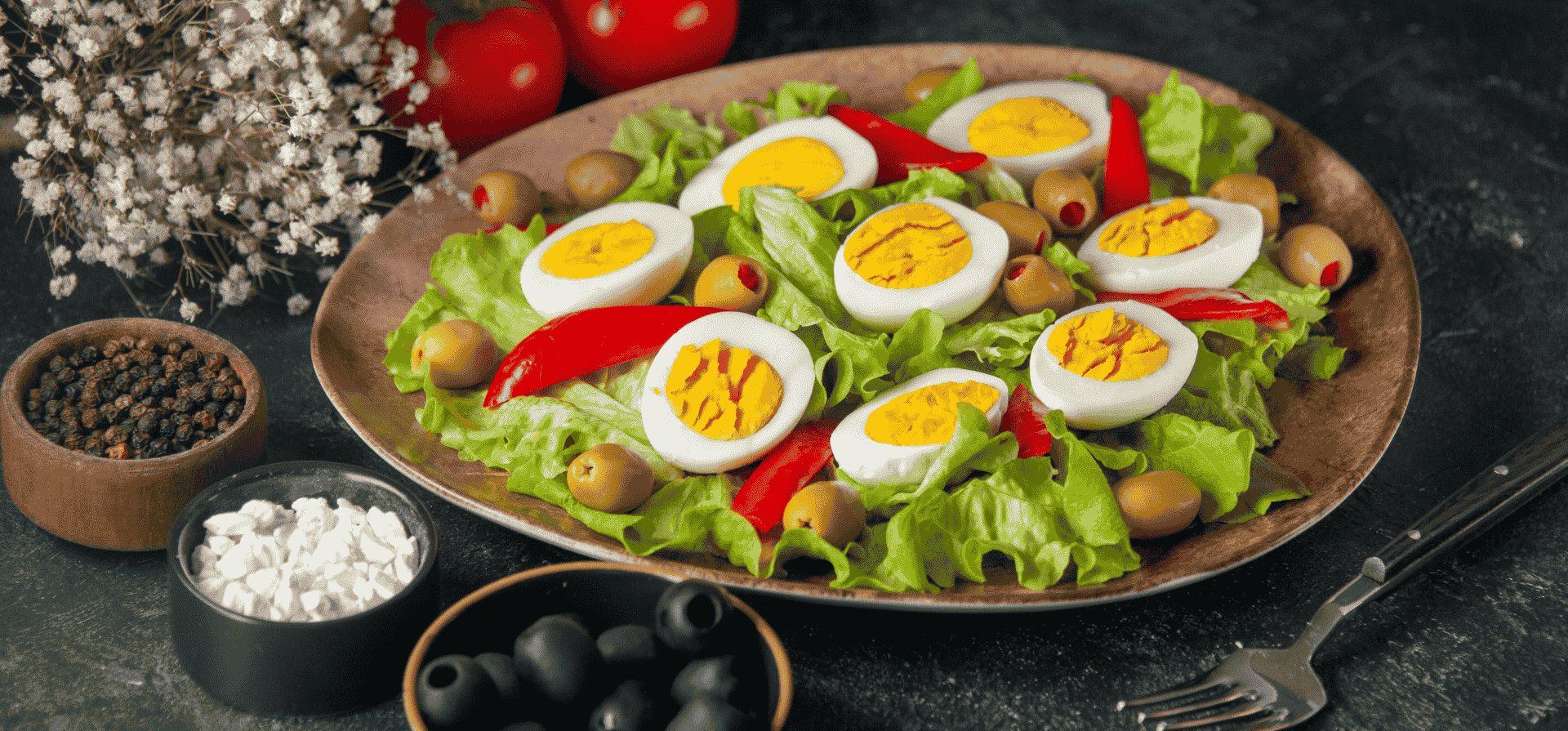
A breakfast of eggs and avocado keeps you full until lunch.
-
A carb-heavy cereal might leave you hungry again in an hour.
This satiety factor helps people naturally reduce calorie intake without effort or hunger.
🧬 4. Reduced Insulin = Easier Fat Burning
Insulin is a storage hormone — when it’s high, your body stores fat.
Keto lowers insulin levels, which signals your body to use stored fat for energy instead of saving it.
In simple terms:
Low insulin = fat-burning mode ON 🔥
🧠 5. Improved Focus and Mental Clarity
Beyond weight loss, ketosis boosts brain function.
Ketones are a cleaner, more efficient energy source for the brain than glucose.
That’s why many keto followers report:
✅ Better focus
✅ Stable mood
✅ More energy
✅ No afternoon “crash”
It’s fat-burning for the body and fuel for the mind. 🧠
🏋️ 6. Keto Boosts Metabolism During Fat Adaptation
During the first few weeks of keto, your body learns to efficiently burn fat (a process called fat adaptation).
Once adapted, your metabolism becomes more flexible — burning both dietary and stored fat quickly.
This leads to:
-
Faster fat loss
-
Fewer cravings
-
Higher energy for workouts
💧 7. Water Weight & Fat Loss Explained
Initially, keto causes quick weight loss due to water release — as your body burns glycogen, water is flushed out.
After that phase, the real fat-burning stage begins, leading to long-term results.
Tip: Stay hydrated and replenish electrolytes (sodium, potassium, magnesium) to avoid “keto flu.”
⚖️ 8. Sustainable Weight Loss, Not Just a Fad
Unlike crash diets, keto focuses on metabolic change — not starvation.
By training your body to rely on fat, it becomes easier to maintain weight loss even after reaching your goal.
Bonus: Many people find keto easier to sustain because of reduced hunger and better energy balance.
💬 Final Thoughts
The Keto Diet isn’t just another weight-loss trend — it’s a scientifically proven metabolic shift.
By reducing carbs and increasing healthy fats, you teach your body to burn fat efficiently, stay full longer, and control hunger naturally.
If you stay consistent, track your macros, and eat nutrient-dense foods, you’ll see real results — not just on the scale, but in your overall energy and health. 🌟
So next time someone asks, “Does keto really work?” —
you can say: “Yes, and here’s the science to prove it.” 🧠🔥