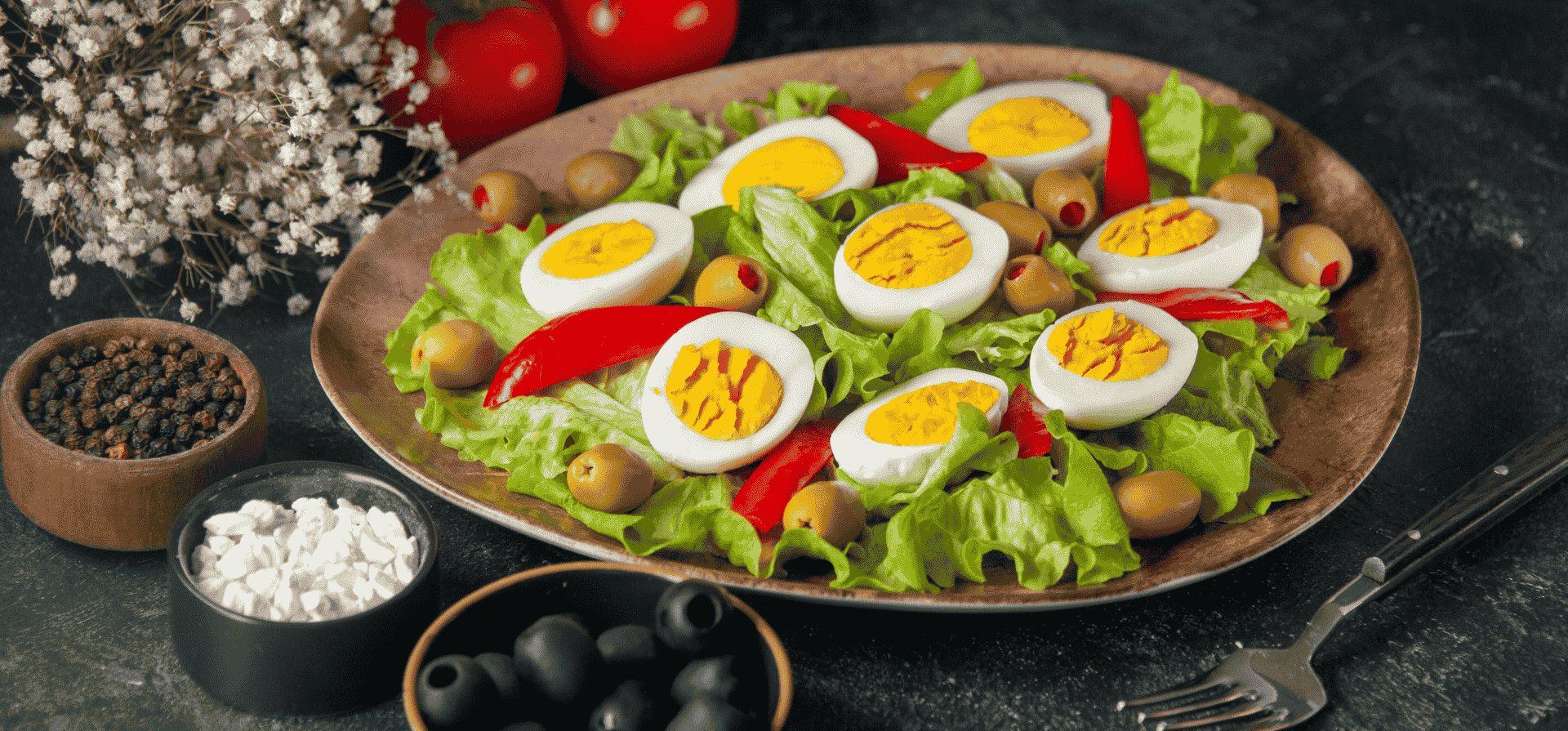
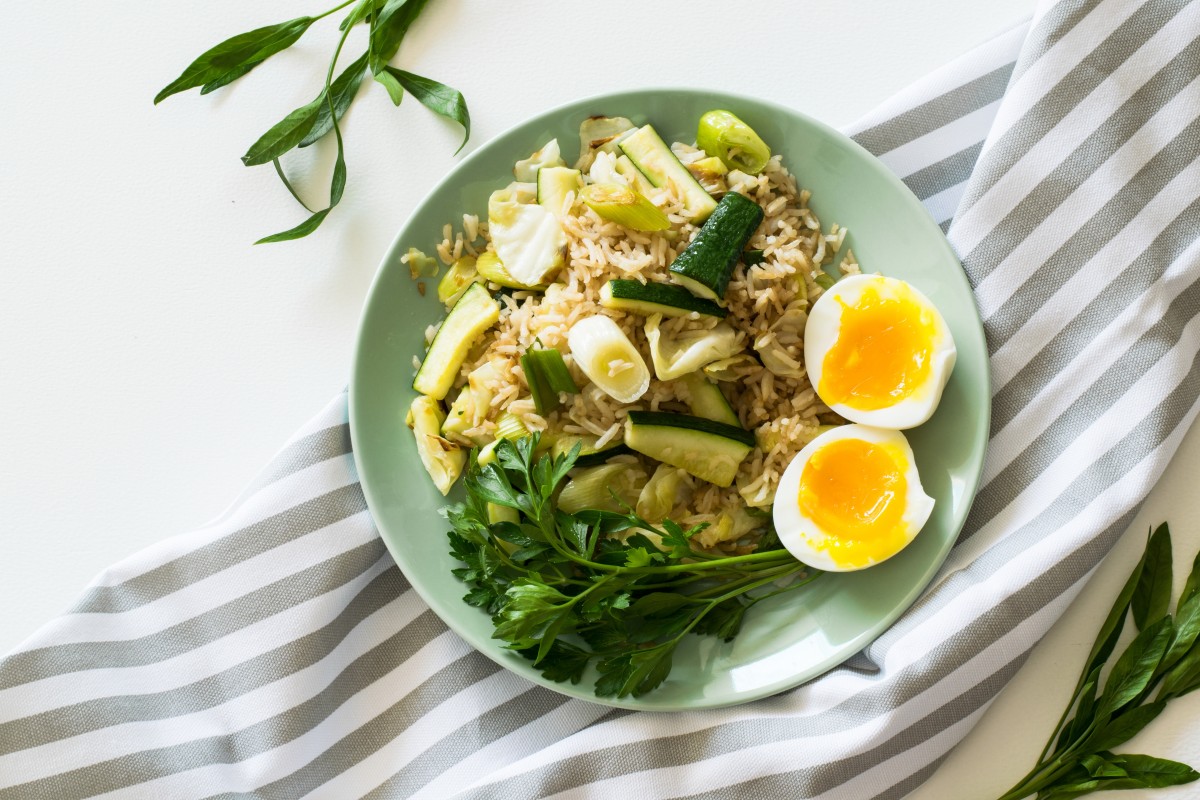
Keto Meal Plan for Beginners: 7-Day Easy Recipes
🥑 How to Start the Keto Diet the Right Way — Step-by-Step Plan
Introduction
So you’ve decided to try the Keto Diet — great choice! 🎉
This low-carb, high-fat lifestyle helps your body burn fat for fuel instead of carbs, leading to faster weight loss, steady energy, and improved focus.
But jumping into keto without a plan can lead to frustration, “keto flu,” or early burnout.
This step-by-step beginner’s guide will show you how to start the keto diet the right way — safely, effectively, and sustainably.
🧠 Step 1: Understand What the Keto Diet Really Is
The Ketogenic Diet works by switching your body’s fuel source from glucose (carbs) to ketones (fat).
When you limit carbs (usually under 20–50 grams per day), your body enters ketosis, a metabolic state where fat becomes your main source of energy.
In short:
➡️ Fewer carbs → lower insulin → more fat-burning 🔥
🍞 Step 2: Cut Down on Carbs Gradually
Going from high-carb to ultra-low-carb overnight can shock your body.
Start slow — reduce breads, rice, pasta, and sugary foods over 5–7 days.
Target:
- 20–50 grams of net carbs per day (carbs – fiber = net carbs).
- Use a carb tracking app like Carb Manager or MyFitnessPal.
Pro Tip: Replace carbs with low-carb veggies such as zucchini, spinach, and cauliflower.
🥑 Step 3: Increase Healthy Fats
Keto isn’t just low-carb — it’s high-fat.
Healthy fats are your body’s new primary fuel.
Include:
- Avocados 🥑
- Olive oil, coconut oil, butter, and ghee
- Fatty fish (salmon, sardines)
- Nuts and seeds
Avoid vegetable oils (soybean, corn, sunflower) — they can cause inflammation.
🍗 Step 4: Keep Protein Moderate
Protein helps maintain muscle and keeps you full, but too much can raise blood sugar through gluconeogenesis (when the body converts protein into glucose).
Ideal ratio:
- 70–75 % fat
- 20–25 % protein
- 5–10 % carbs
Stick with moderate portions of eggs, chicken, beef, and fish.
🥦 Step 5: Load Up on Low-Carb Vegetables
Veggies are crucial for fiber, minerals, and gut health.
Focus on non-starchy greens:
✅ Broccoli
✅ Kale
✅ Spinach
✅ Zucchini
✅ Cauliflower
Avoid starchy ones like potatoes, corn, and peas.
💧 Step 6: Stay Hydrated and Replenish Electrolytes
During the first week, your body loses water and salts — causing keto flu (headaches, fatigue, cramps).
Avoid it by:
- Drinking at least 2–3 liters of water daily.
- Adding Himalayan salt to food.
- Eating avocados, spinach, nuts for potassium & magnesium.
🍽️ Step 7: Plan Your Meals Ahead
Keto success = preparation.
Plan your meals so you’re never tempted by high-carb foods.
Sample One-Day Keto Plan:
- Breakfast: Scrambled eggs with avocado and spinach
- Lunch: Grilled chicken salad with olive oil
- Snack: Handful of almonds
- Dinner: Salmon with buttered broccoli
Meal-planning helps you stay in ketosis and avoid accidental cheat meals.
⏱️ Step 8: Be Patient During the Adaptation Phase
Your body needs 2–4 weeks to fully adapt to burning fat.
During this time, you might feel tired, crave carbs, or notice weight fluctuations — this is normal.
Stay consistent. Once adapted, your energy, mood, and focus will skyrocket.
🧘 Step 9: Support Your Body with Sleep and Stress Control
Stress and poor sleep can spike cortisol, raise blood sugar, and slow ketosis.
Tips:
- Sleep 7–8 hours per night.
- Practice deep breathing or light exercise.
- Limit caffeine after 2 PM.
🧍 Step 10: Track Your Progress
Keep a record of your weight, energy, and measurements weekly — not daily.
You can also use urine test strips or blood ketone meters to see if you’re in ketosis.
Look for signs:
✅ Reduced appetite
✅ Steady energy
✅ Better mental clarity
💬 Final Thoughts
Starting the Keto Diet isn’t about cutting all carbs overnight — it’s about building a healthy, fat-fuelled lifestyle.
By following this step-by-step keto plan, you’ll transition smoothly into ketosis, avoid common mistakes, and experience real results.
Remember: Consistency beats perfection.
Take it one meal at a time, stay hydrated, and soon your body will become a natural fat-burning machine. 🔥🥑