
Keto vs Low-Carb: What’s the Difference and Which Is Better?
🥑 Keto vs Low-Carb: What’s the Difference and Which Is Better?
Introduction
If you’ve ever tried to lose weight by cutting carbs, you’ve probably come across both the Keto Diet and Low-Carb Diet.
At first glance, they sound almost the same — fewer carbs, more protein, and healthy eating.
But in reality, there’s a big difference between the two.
In this guide, we’ll explain how Keto and Low-Carb diets differ, what each one does to your body, and which is best for fat loss and long-term results in 2025.
🍞 What Is a Low-Carb Diet?
A Low-Carb Diet simply means reducing your daily carb intake — but not necessarily cutting carbs completely.
Typical ratio:
-
🥩 40–50% fats
-
🍗 25–35% protein
-
🌾 20–30% carbohydrates
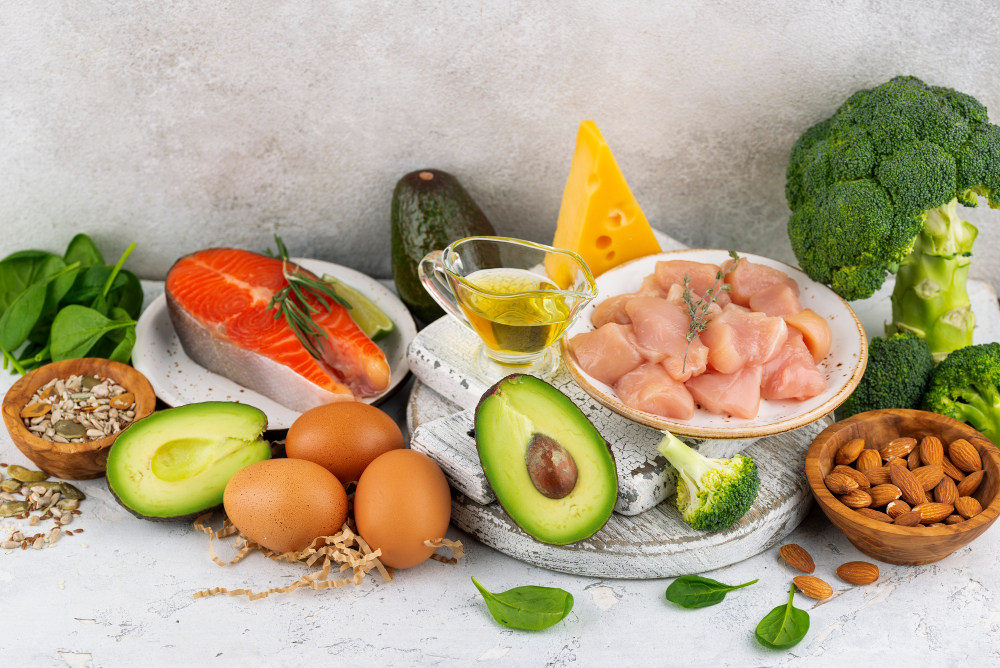
This plan focuses on moderate carb restriction and emphasizes whole, unprocessed foods like:
-
Lean meats, fish, eggs
-
Vegetables and limited fruits
-
Nuts, seeds, and healthy fats
-
Small portions of grains or legumes (optional)
Goal: Reduce carbs enough to improve blood sugar and promote weight loss — without entering ketosis.
🧈 What Is the Keto Diet?
The Ketogenic Diet is a stricter form of low-carb eating that aims to push your body into ketosis, a metabolic state where fat becomes your main fuel source.
Typical ratio:
-
🥑 70–75% fats
-
🍗 20–25% protein
-
🌾 5–10% carbohydrates (usually under 50g net carbs/day)
When carbs are this low, your liver starts producing ketones from fat, which your body uses instead of glucose for energy.
Goal: Stay in ketosis and burn fat continuously for energy.
⚡ Key Difference: Ketosis vs Carb Reduction
The biggest difference between Keto and Low-Carb is ketosis.
| Feature | Keto Diet | Low-Carb Diet |
|---|---|---|
| Carb Intake | Very low (5–10% of calories) | Moderate (20–30% of calories) |
| Main Fuel Source | Fat (ketones) | Carbs & fat mix |
| Metabolic State | Ketosis | No ketosis |
| Fat Intake | High | Moderate |
| Flexibility | Strict | Flexible |
| Best For | Fat-burning, brain focus, insulin sensitivity | Sustainable weight management |
In short:
👉 All Keto diets are low-carb, but not all low-carb diets are Keto.
🔬 How Each Diet Affects Weight Loss
🥑 Keto Diet:
-
Forces the body to burn stored fat for energy
-
Reduces insulin spikes (less fat storage)
-
Increases satiety from fats and proteins
-
Boosts mental clarity and steady energy
However, it requires strict carb tracking and can cause “keto flu” during the first few days of adaptation.
🍗 Low-Carb Diet:
-
Helps you eat fewer calories naturally
-
Balances blood sugar and reduces cravings
-
Easier to maintain socially (you can still eat some carbs)
-
May not trigger full ketosis or deep fat-burning
Both help with weight loss — but keto usually works faster, while low-carb is easier long-term.
🧠 Health Benefits Comparison
| Benefit | Keto Diet | Low-Carb Diet |
|---|---|---|
| Weight Loss Speed | 🔥 Faster (initial fat loss) | Moderate |
| Blood Sugar Control | Excellent | Good |
| Mental Focus | High (due to ketones) | Moderate |
| Energy Levels | Stable once adapted | Generally steady |
| Flexibility | Strict | Easier to follow |
| Long-Term Sustainability | Moderate | High |
⚖️ Which Is Better for You?
Choose Keto if you want:
✅ Rapid fat loss
✅ Better mental focus
✅ Improved insulin sensitivity
✅ You don’t mind meal tracking and strict carb limits
Choose Low-Carb if you prefer:
✅ A more flexible eating plan
✅ Occasional carb meals
✅ Gradual, sustainable weight loss
✅ Less food restriction
Pro Tip: Some people start low-carb first, then move into keto once their body adjusts to lower carbs.
💬 Final Thoughts
Both Keto and Low-Carb diets are powerful tools for weight loss and better health.
The difference lies in how deep you go into carb restriction and whether you want to achieve ketosis.
-
Keto = strict, faster fat loss, more metabolic change
-
Low-Carb = flexible, sustainable, easier for beginners
At the end of the day, the best diet is the one you can stick to consistently — because long-term results always come from commitment, not perfection. 🌿